




Are Hoyer Lifts Hard To Use? Hoyer Lift Sling Tips for Caregivers
Using a hoyer lift sling might seem intimidating at first, but with the right knowledge, it can be a straightforward process. You'll want to guarantee you choose the right sling and understand how to position it correctly for your comfort and safety. There are essential tips that can enhance your confidence and effectiveness during transfers. Let's explore some key aspects that will make using a Hoyer lift a smoother experience for both you and the individual being lifted.

The Importance of Choosing the Right Sling
Choosing the right sling for a Hoyer lift is essential for ensuring both safety and comfort during transfers.
You need to evaluate the sling materials, as they directly impact durability and ease of cleaning. Look for high-quality, breathable fabrics that provide support without causing discomfort.
Additionally, adjustable sizes are vital for a proper fit. A well-fitted sling prevents slippage and reduces the risk of injury for both you and the person you're lifting.
It's also important to assess the individual's needs, such as weight and mobility level, to select a sling that offers the best support.
Preparing for the Transfer: Safety First
After selecting the right sling, it's time to focus on preparing for the transfer. First, verify the sling adjustments fit your loved one snugly but comfortably. This step is essential for their safety and support during the transfer.
Next, communicate clearly with your loved one. Explain what you're going to do and encourage them to ask questions. This helps them feel more at ease and engaged in the process.
Additionally, assess the environment for any potential hazards, like loose rugs or furniture. Confirm the Hoyer lift is in good working condition and positioned correctly.
Taking these precautions won't only enhance safety but also make the transfer smoother for both you and the person you're assisting.
Step-by-Step Guide to Using a Hoyer Lift
Using a Hoyer lift makes patient transfers easier and safer, but preparation is key.
Preparing for Lift Use
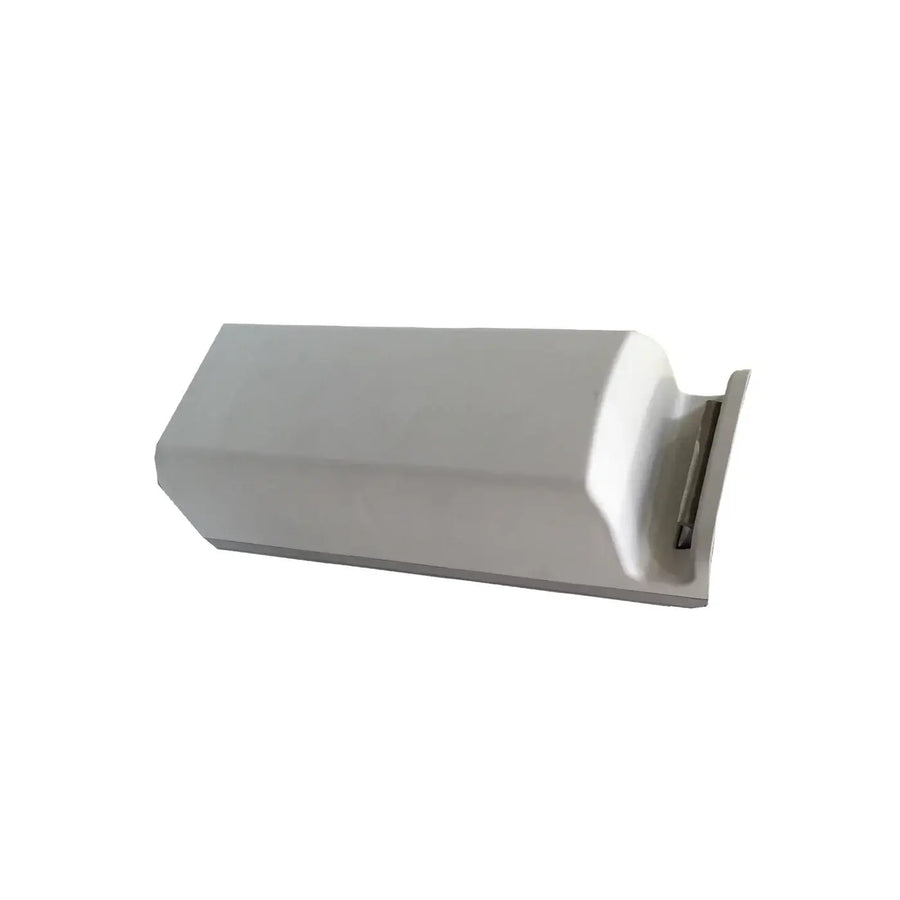
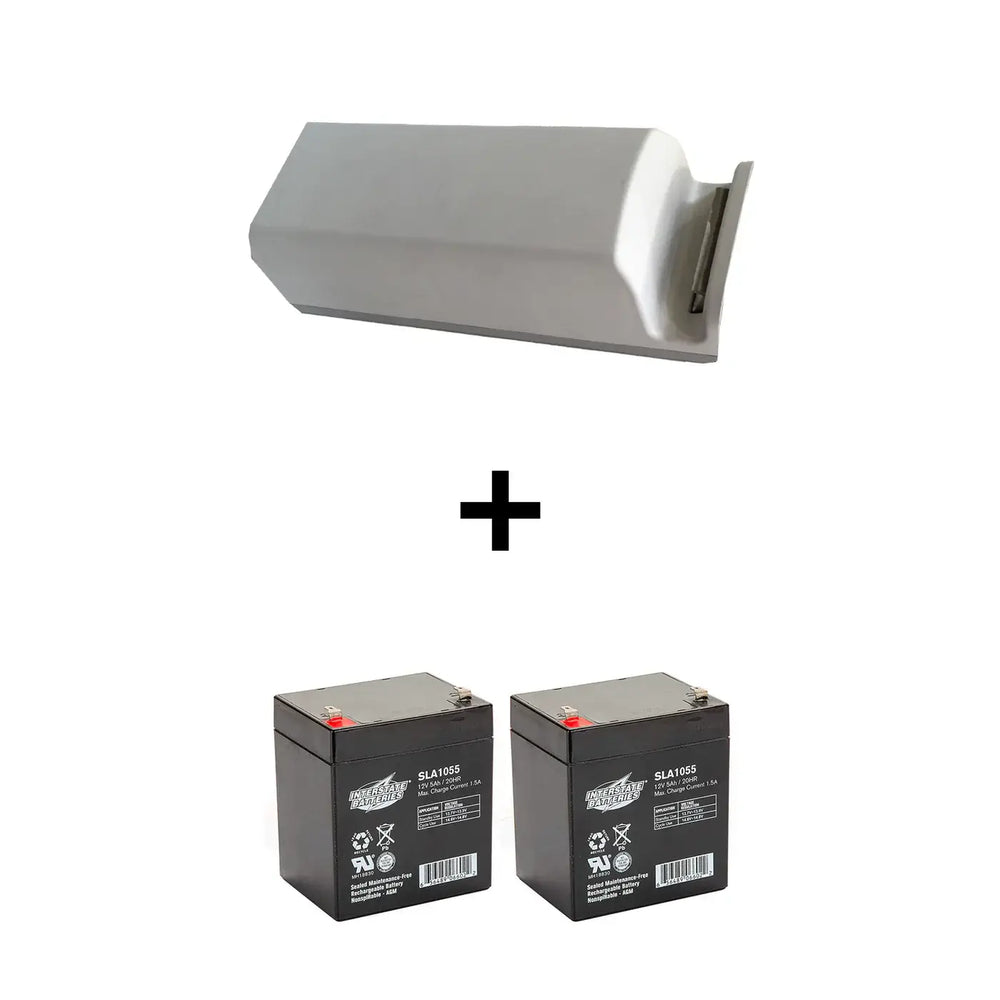
Before starting, assess the patient’s mobility, weight, and specific needs. Inspect the lift, including the battery and sling, to ensure it functions correctly. Clear the area of obstacles and ensure you have proper training to operate the lift. Familiarize yourself with the controls and practice if necessary. Careful preparation improves safety and makes the transfer smoother.
Proper Sling Placement
Choose the right sling for the patient, such as a full-body, toileting, or transfer sling. Lay it flat under the patient, supporting the back and legs evenly. Position it snugly without causing discomfort and secure the straps to the lift, making sure they are not twisted. Double-check the placement to prevent slippage. Proper sling placement ensures safety and comfort.
Safe Transfer Techniques
Position the lift close to the patient and engage the brakes. Attach the sling straps securely and communicate with the patient to reassure them. Lift slowly and steadily, maintaining smooth movements. Once the transfer is complete, lower the patient gently into a chair, bed, or commode. Following these steps ensures a safe, smooth, and comfortable transfer for both caregiver and patient.
Common Mistakes to Avoid
When using a Hoyer lift, it's essential to avoid common mistakes that could compromise safety.
Incorrect sling positioning can lead to discomfort or injury, while ignoring weight limits can result in serious accidents.
Let's explore these pitfalls so you can guarantee a safer lifting experience for both you and the person you're caring for.
Incorrect Sling Positioning
One of the most common mistakes caregivers make is incorrect sling positioning, which can lead to discomfort or even injury for the person being lifted.
Proper sling alignment is essential for guaranteeing safety and comfort. During caregiver training, focus on how to position the sling correctly, making certain it supports the individual's body evenly.
Check that the sling is snug but not too tight, and verify it's centered to prevent sliding. Always adjust the straps according to the person's height and weight for maximum support.
Ignoring Weight Limits
Incorrect sling positioning can lead to discomfort, but ignoring weight limits poses an even greater risk.
Every Hoyer lift comes with a specified weight capacity, and exceeding this limit can compromise safety. When you lift someone who exceeds the designated weight, you not only risk damaging the equipment, but you also endanger the person you're lifting.
Always adhere to the safety guidelines provided by the manufacturer. Before using the lift, double-check the weight of the individual and verify it's within the limits. This precaution helps prevent accidents and injuries, guaranteeing a smooth and safe transfer.
Tips for Maintaining and Cleaning the Sling
Maintaining and cleaning the sling of your Hoyer lift is vital for guaranteeing both safety and comfort.
Regular sling care includes checking for any frays, tears, or wear that could compromise its strength. Wash the sling according to the manufacturer's instructions, usually in warm water with mild detergent, and confirm it's thoroughly dry before the next use.
Avoid using bleach or harsh chemicals that could damage the fabric. Proper sling storage is also important; always hang or lay it flat to prevent creasing or degradation.
Keep it in a dry, cool place, away from direct sunlight. By following these simple tips, you'll help prolong the life of the sling and maintain a safe lifting experience for everyone involved.
Enhancing Comfort for the Individual Being Lifted
To guarantee a comfortable experience for the individual being lifted, it's essential to pay attention to their positioning and the support provided by the sling.
Start by adjusting the sling to fit snugly around their body, ensuring it supports their weight evenly. Consider their individual preferences, such as additional padding or specific support areas, to enhance comfort.
Communicate with them before the lift, asking about any concerns or adjustments they might need. During the lift, maintain a calm environment, minimizing sudden movements that could cause discomfort.
After the lift, check in to see how they feel and make notes for future lifts. By prioritizing their comfort, you foster a more positive experience, making lifting easier for both you and them.
Safe Lifts, Confident Care
Mastering the proper use of a Hoyer lift ensures both patient safety and caregiver confidence. Always prepare thoroughly by assessing the patient, checking the equipment, and clearing the area. Use the correct sling and place it properly to prevent discomfort or slippage. Follow safe transfer techniques, lifting slowly and steadily, and communicate with the patient throughout.
Consistently practicing these steps reduces risk and makes every transfer smoother and more comfortable. For reliable Hoyer lifts, quality slings, and expert guidance, trust Reliable Ramp. Our team can help you choose the right equipment and provide support for safe, effective patient care.